We’ve worked with hundreds of homeowners in Jacksonville Beach, Ponte Vedra Beach, Atlantic Beach, and Nocatee Beach, and the most common question we hear is:
“Should I go with mulch or stone?”
That question isn’t as simple as it sounds. The right answer depends on your goals: plant health, drainage, maintenance, budget, and aesthetics.
At Coconut Grove Landscape & Design, we’re here to break it all down—real talk, no fluff. Whether you’re installing fresh sod, building out a landscape design, or adding hardscape features like palm trees and shrubs, here’s everything you need to know about using mulch vs. stone.
What is Mulch?
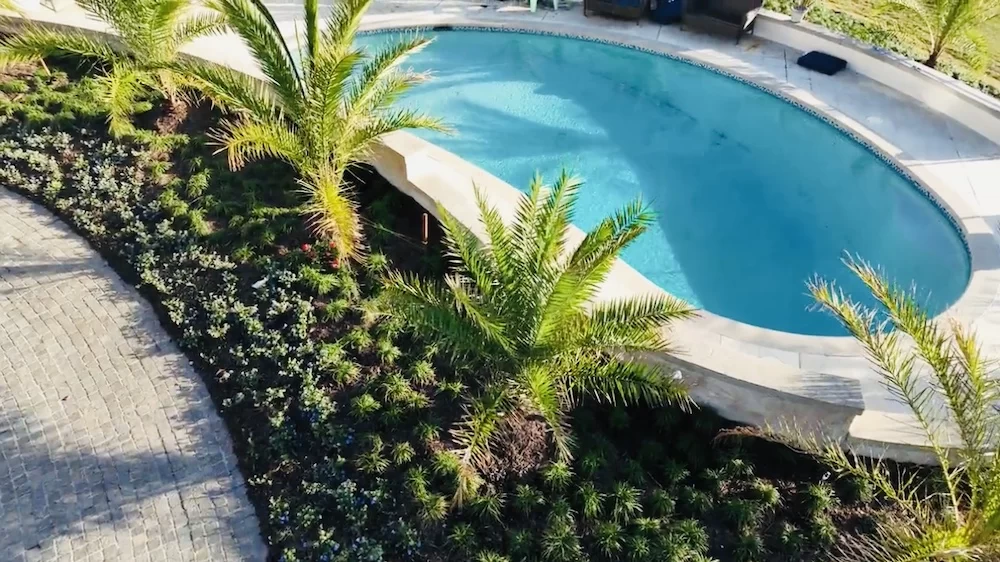
Mulch is a layer of material placed on top of the soil to insulate, retain moisture, and suppress weeds. In Florida’s beachside communities like Jacksonville Beach, Ponte Vedra, Atlantic Beach, Neptune Beach and Nocatee, mulch is commonly used to soften beds, enrich the sandy soil, and protect delicate root systems from the sun.
Mulch is a layer of material applied to the surface of the soil. Organic mulch, such as bark, wood chips, leaves, and compost, is a great option, as is inorganic mulch, like black plastic or landscape fabric.
Organic mulch decomposes over time and adds nutrients to the soil, while inorganic mulch is longer-lasting and easier to maintain. Using organic mulch in garden beds will result in more acidic soil, which will result in better growth. The type of mulch you use can affect the pH of alkaline soil, which can be vital if you’re trying to grow certain plants.
Benefits of Mulch when Landscaping
Drawbacks of Mulch
What Is Stone?
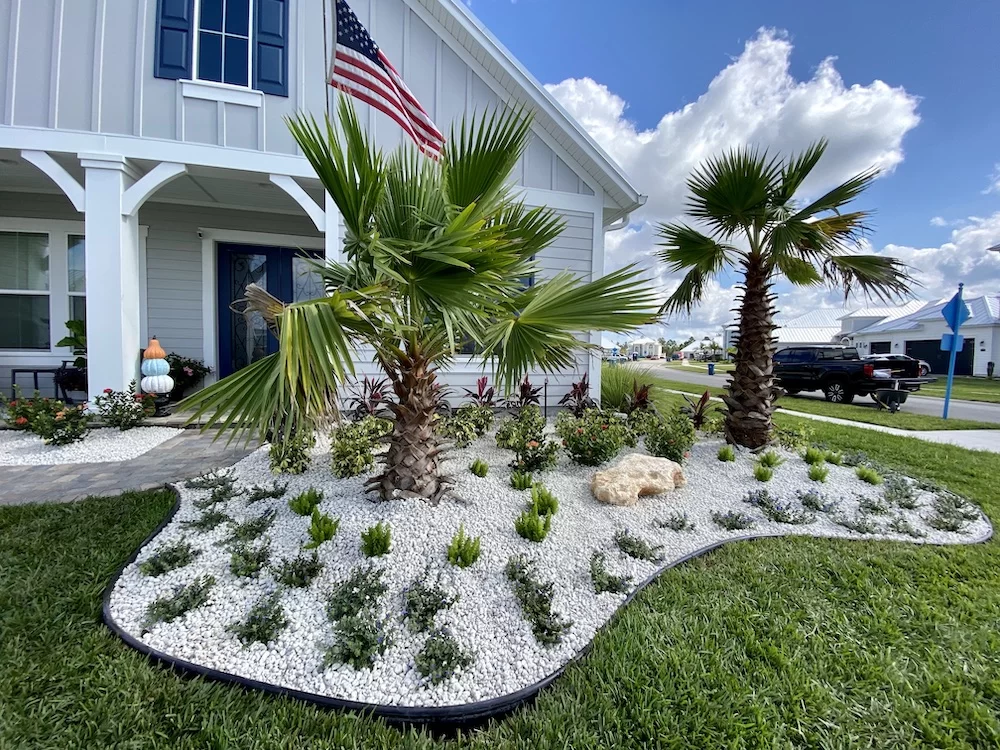
Stone refers to gravel, river rock, lava rock, pea pebbles, and crushed granite. In Northeast Florida, it’s especially popular in modern, low-maintenance landscapes and coastal designs where longevity and drainage are key.
Benefits of Stone for Landscaping
Drawbacks of Stone
How They Stack Up in Real Landscaping Use
Mulch:
- Great for creating a soft, organic look in tropical designs with palm trees and flowering shrubs.
- Used extensively in Atlantic Beach gardens to contrast with bright blooms and natural palms.
- Works well in native plant landscapes—like butterfly gardens in Nocatee.
Stone:
- Provides a structured, upscale look—ideal for xeriscaping or Mediterranean-style homes in Ponte Vedra Beach.
- Helps define modern hardscaping features like fire pits, patios, and gravel walkways.
- Popular in coastal front yards, where wind and rain might wash away mulch.
Mulch:
- Easy to work around raised beds, pavers, or tree rings—good for flexible garden layouts in Jacksonville Beach backyards.
- Blends naturally with wooden features like fences, arbors, or pergolas.
Stone:
- The go-to for surrounding concrete pavers, retaining walls, and decorative boulders.
- Excellent for defining seating areas or pathways near pool decks in Ponte Vedra.
Mulch:
- Great for bordering sod with clean, soft transitions—but must be edged properly to prevent mulch from spilling onto grass.
- Helps retain moisture at the base of shrubs or ornamental trees planted within sod.
Stone:
- Creates durable edging and prevents sod overgrowth into garden beds.
- Ideal in high-traffic areas—like pathways next to the lawn—where mulch would get kicked around.
Mulch:
- Holds moisture around palms but needs to be applied carefully—not too high against the trunk (to avoid rot).
- Works well in residential tropical-themed yards in Atlantic Beach.
Stone:
- Allows for better air circulation and root breathability under palm canopies.
- Common around palm islands and pool landscaping in Ponte Vedra Beach, where clean aesthetics are a priority.
Mulch:
- Ideal for hedges, gardenias, hibiscus, and other thirsty shrubs—it keeps moisture locked in and roots protected.
- Adds a polished look to shrub lines in Nocatee community entryways.
Stone:
- Best for low-water, heat-tolerant shrubs like Indian hawthorn or dwarf yaupon holly.
- Looks clean year-round and discourages weeds in formal layouts.
Mulch:
- Protects perennials like daylilies and salvias, which are sensitive to heat and need consistent moisture.
- Encourages strong bloom cycles in flower beds throughout Jacksonville Beach.
Stone:
- Good for drought-tolerant perennials like lavender or sedum.
- Requires careful placement—rocks can trap heat and dry out fragile plants if not managed well.
The Verdict: Mulch or Stone?
| Feature | Mulch | Soil |
|---|---|---|
| Soil Health | Adds Nutrients | Inert Material |
| Weed Control | Good with Thick Coverage | Excellent with Fabric Base |
| Maintenance | Needs Replenishing | Set & Forget |
| Drainage | Slower | Excellent |
| Cost (Initial) | Lower | Higher |
| Longevity | Breaks Down | Last Years |
| Aesthetic Flexibility | Natural Look | Clean & Modern |
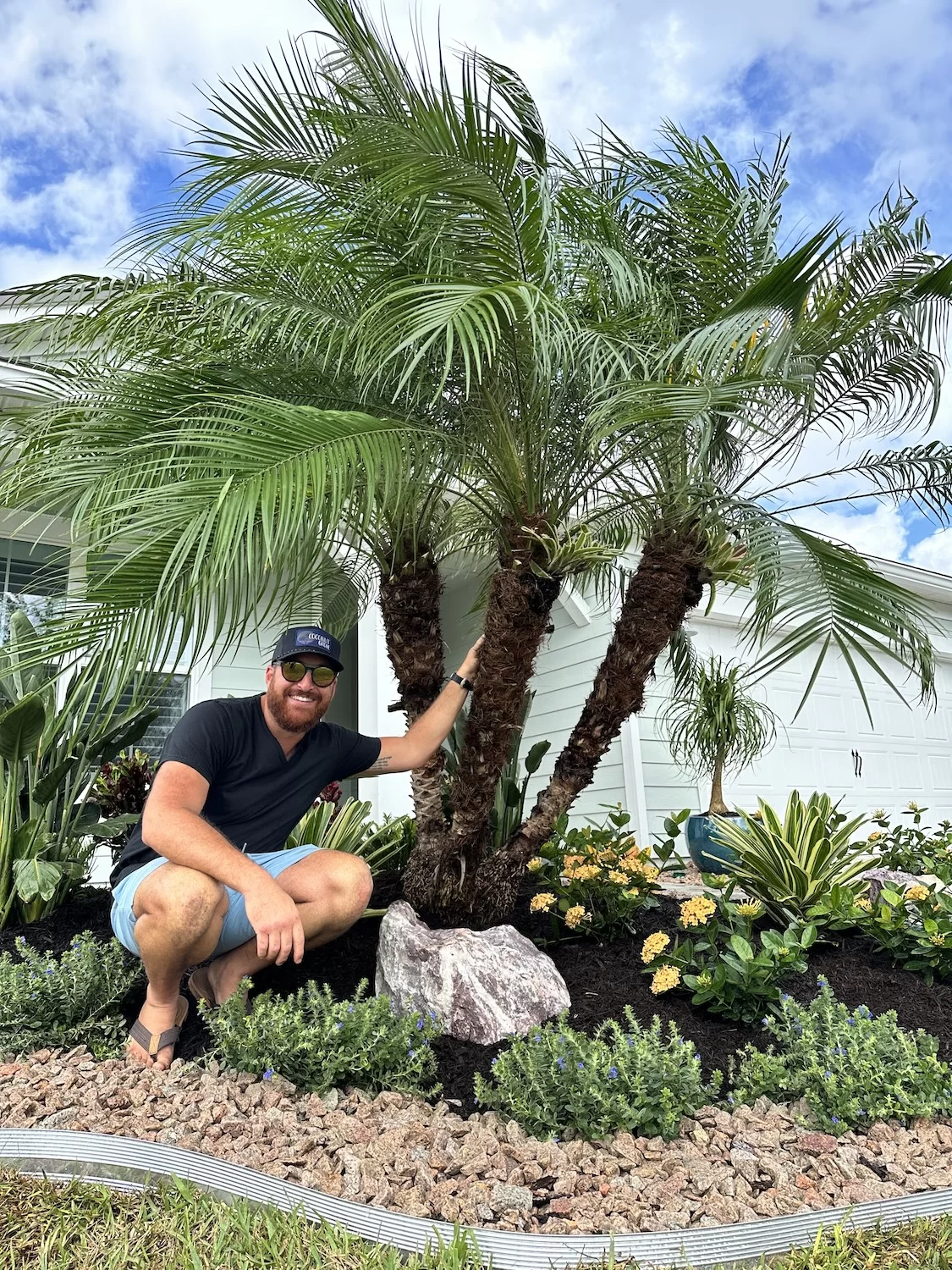
Serving Jacksonville Beach, Ponte Vedra, Atlantic Beach & Nocatee
No matter where you are along the coast—from Jacksonville Beach to Nocatee—Coconut Grove Landscape & Design is your go-to crew for smart, stylish, and sustainable landscaping.
Here’s What To Do Next:
Book a Free Landscape Consultation
We’ll walk your property and help you decide which material makes the most sense—visually, functionally, and financially.
Get a Custom Quote
Whether you need mulch beds refreshed or stone installed around new sod, we’ll give you an honest, detailed estimate.
Trust the Pros
We’ve transformed hundreds of landscapes in your neighborhood. Let’s make yours next.
Call us today at (904) 868-6835 or visit our Contact Page to schedule your consultation.